Cable vs Glass vs Metal Railings: How to Choose the Right System
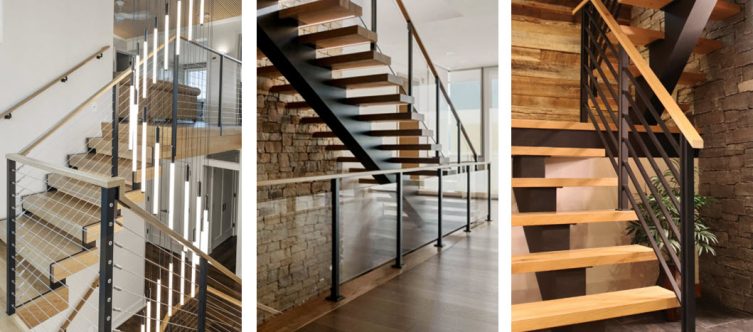
At Keuka Studios, we design and craft custom railing solutions tailored to your vision and seamlessly integrated with your space and architecture. Whether you choose a single style or a hybrid design, we bring your ideas to life.
Choosing between cable vs glass vs metal architectural railing systems depends on how much visibility you want, how much maintenance you’re comfortable with, whether the railing should blend in or stand out as a design feature, and the environment of your space. Cable railings preserve views with minimal visual impact, glass railings provide maximum transparency and a high-end feel, and metal railings offer strength, durability, and low maintenance.
Railing Feature Comparison Chart
| Feature | Cable Railing | Glass Railing | Metal/Bar Railing |
| Primary Benefit | Minimalist / Airflow | Maximum Transparency | High Durability |
| Maintenance | Low (Periodic Tensioning) Occasional cleaning, depending on the environment | High (Cleaning fingerprints, water spots, animal smudges, etc) | Very Low (occasional cleaning), Intricate areas to dust. |
| Visibility | Mostly Unobstructed | Completely Unobstructed | Architectural accents that can obstruct the view. |
| Best For | Interior and exterior spaces where openness and views matter | Luxury interiors and places where the view is the primary element | Interior and exterior, where the railing is a design feature and the view isn’t a primary concern. |
Cable Railings
Clean Lines, Open Views, Timeless Design
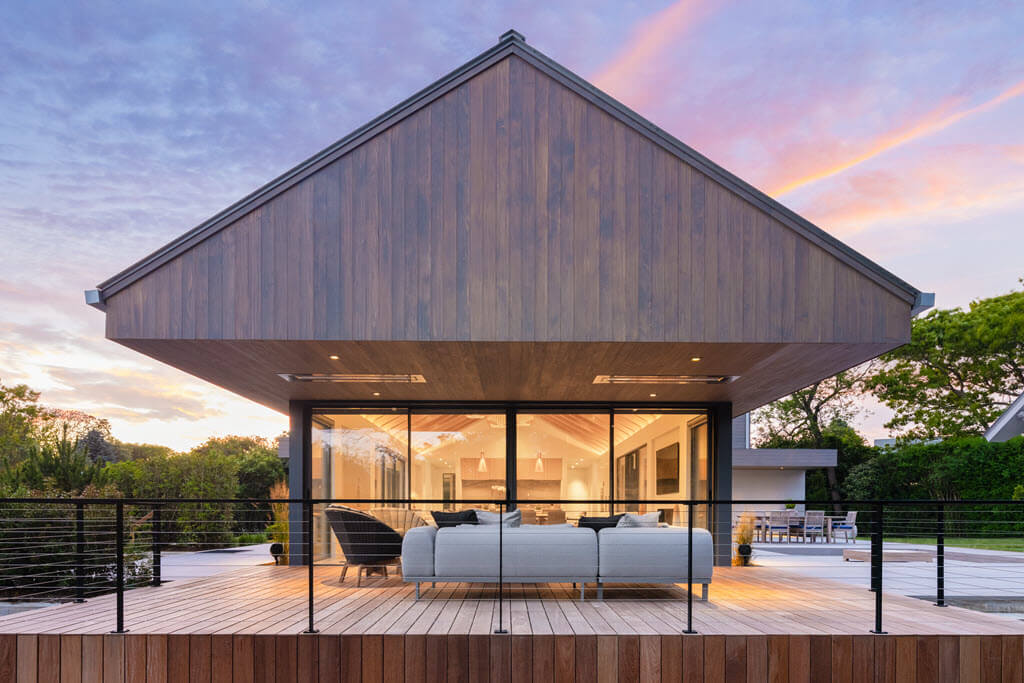
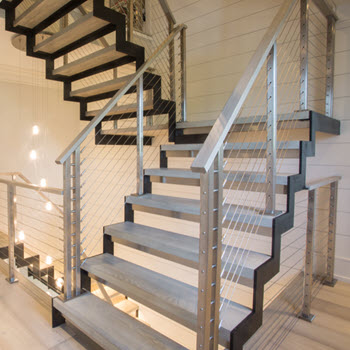
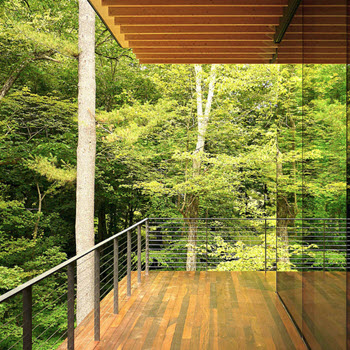
Cable railings are often chosen for their ability to maintain visual openness while still providing safety. The stainless steel cables visually recede into the background, seeming to disappear while allowing architectural details and views to remain the focal point. They also allow the passive breezes to flow freely throughout the space for airflow optimization.
Why clients choose cable
- Preserves sightlines indoors and outdoors
- Clean, modern, and timeless design
- Pairs well with steel, stainless steel, aluminum, and wood* railing posts
- Complements modern, contemporary, and transitional designs
*Note: while wood posts offer warmth, we recommend metal posts, as wood railing posts are more susceptible to rot and bug infestation.
Design Considerations
- Proper engineering and tensioning are critical for code compliance.
- Exterior installations require periodic cleaning depending on the environment.
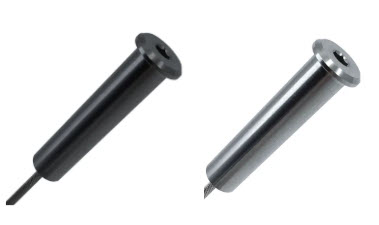
- The selected tensioner style, because some are more visually prominent than others. Keuka Studios offers sleek, low-profile options at Keuka Cable.
Keuka Cable offers black and stainless steel level fittings designed with a slim profile.
Ideal For: Interior and exterior staircases and balconies, decks, and spaces where, in particular, openness, views, and light matter most.
Pro Tip: Cable Railings work best when post spacing is no more than 48 inches and cables are properly tensioned.
Glass Railings
Maximum Transparency, Elevated Aesthetic
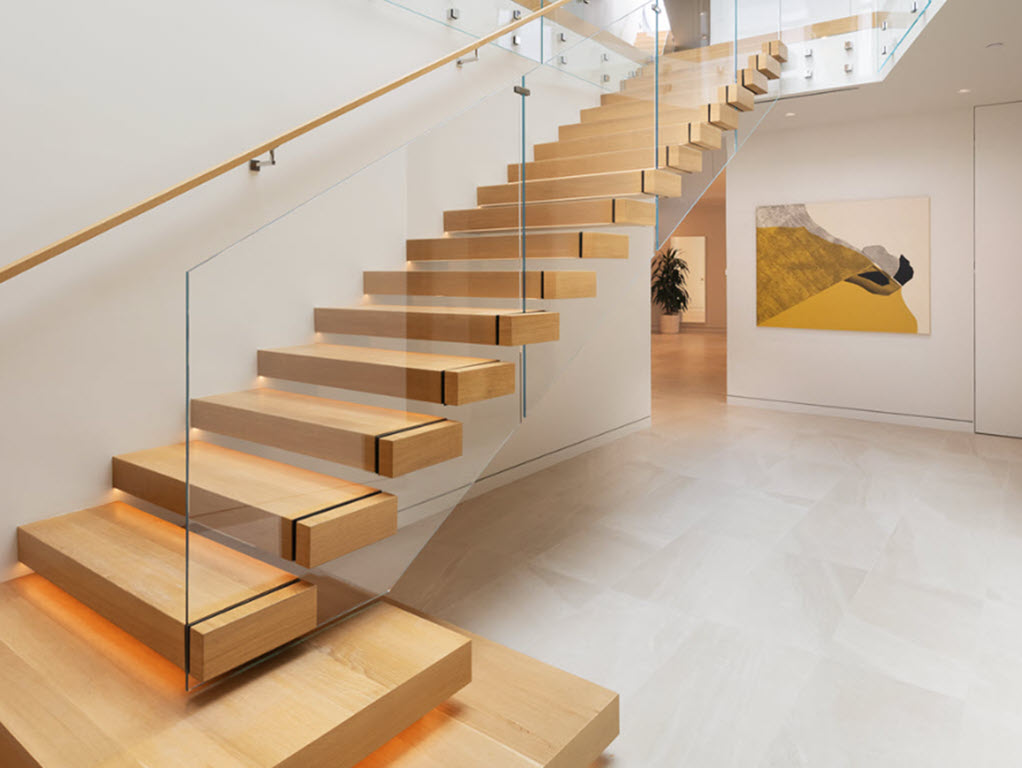
Glass railings create a refined, uninterrupted visual experience. For example, when the goal is to eliminate the appearance of a barrier, glass becomes the natural choice. It enhances natural light and brings a sense of openness, while adding a touch of elegance to the space.
Why clients choose glass
- Completely unobstructed views
- Brightens the interior by allowing light to flow freely
- For exterior locations, glass blocks the wind.
- Glass also creates a solarium effect on the deck.
- Creates a sleek, high-end aesthetic
Design Considerations
- Higher material and fabrication costs
- Requires regular cleaning to maintain clarity (fingerprints, pet marks, water spots, etc)
- Structural support and precision detail are essential
- Glass can shatter, especially in areas with harsh weather conditions like hurricanes.
- The type of glass connection plays a big role in the final look. You can choose a minimalist approach that conceals the hardware or opt for visible glass clamps.
Visible and Invisible Glass Hardware
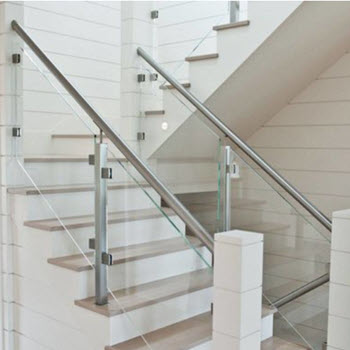
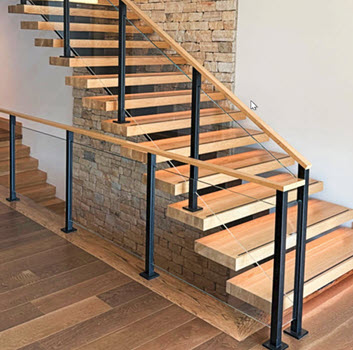
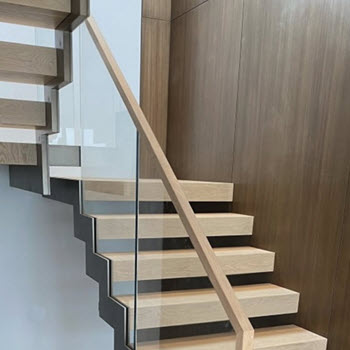
Ideal for: Luxury homes, waterfront homes, decks, balconies, and places where the view is the primary design element.
Pro Tip: Not all glass railings are created equal. Proper glass thickness, engineered anchoring, and local code compliance are critical to long-term safety and performance.
Metal Railing
Strength, Longevity, and Design Flexibility
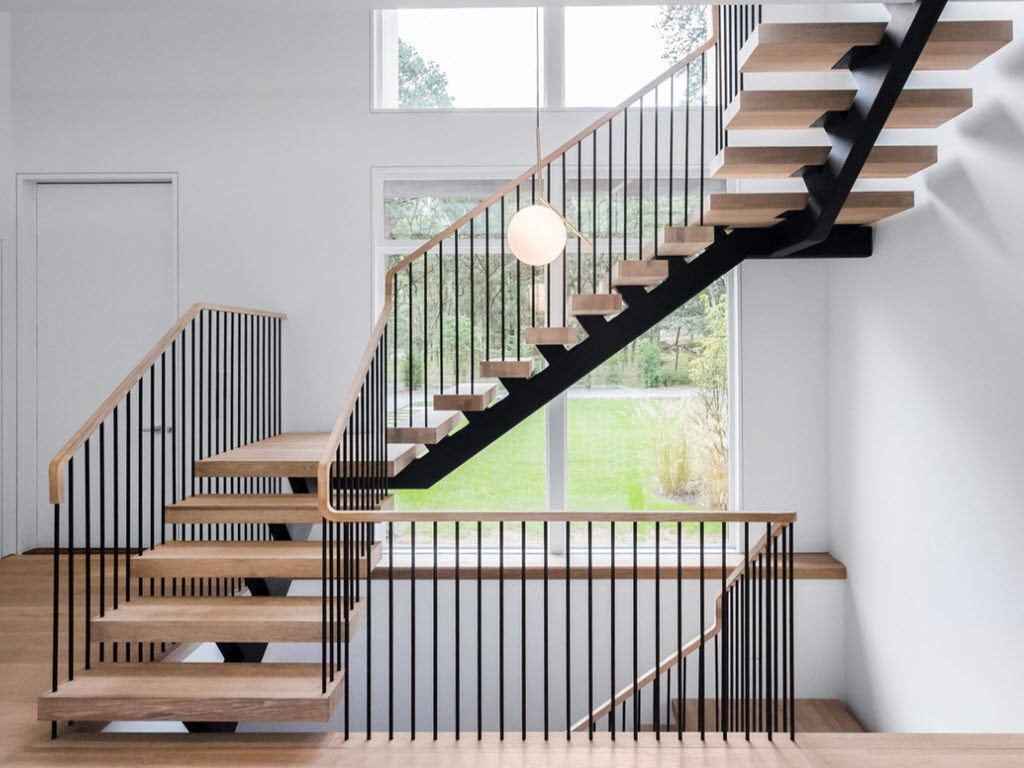
Metal railings offer a wide variety of customization, from minimalist vertical or horizontal spindles, or flat bar railings, and in contrast, more sculptural wrought iron designs created to complement the architecture and aesthetic of the location.
Why clients choose metal
- Metal is highly durable and long-lasting
- Lower maintenance compared to cable or glass
- Fully customizable in form
Design considerations
- Visual presence is more pronounced than cable or glass
- Pattern and spacing should be designed to complement the existing architecture
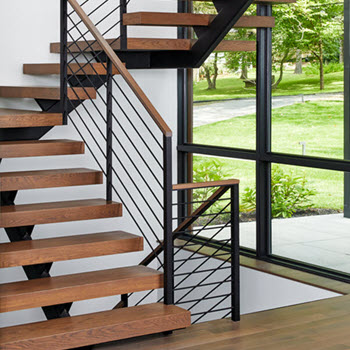
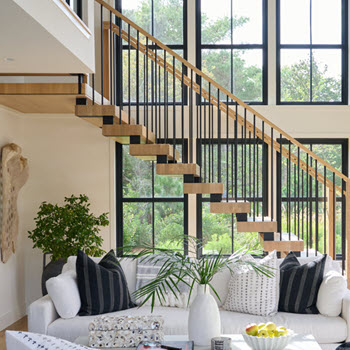
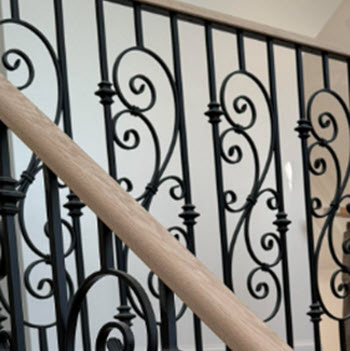
Ideal for: interior and exterior stairs, as well as modern and traditional architecture, where the railing serves as a design feature.
Pro Tip: Proper finishing, especially for exterior metal railings, matters as much as the design.
Hybrid Railing Solution
Combining railing styles to achieve both functionality and aesthetic appeal. For example, a glass railing on one side of a deck can block prevailing winds, while a cable railing in another area preserves the natural airflow and an open feel. This hybrid approach lets you tailor your space exactly to your needs and vision.
How To Decide: Key Questions to Ask Yourself When Choosing Between Cable vs Glass vs Metal Railings
- Do you want to preserve the view? Choose cable or glass.
- Is low maintenance a priority? Choose metal or cable.
- Are fingerprints and cleaning a concern? Choose cable or metal.
- Is this a high-end or statement piece? Choose custom-designed glass, metal, or cable.
Common Questions About Cable vs Glass vs Metal Railings:
The best railing for the views is glass. Cable also ranks high for preserving the views. Steel infill railings rank lower as they are more obstructive to the views.
YES. When properly engineered and tensioned, cable railings can meet local building codes for residential and commercial properties. Requirements vary by jurisdiction, so professional design and fabrication are essential.
All options (cable, glass, and metal) are great choices for the outdoors. However, material selection and finishes are critical for durability. For instance, 316 stainless steel, aluminum, and galvanized steel are common choices for coastal environments. Laminated safety glass is a preferred choice for exteriors.
Standard tempered glass has a slight green tint, especially noticeable along the edges or when viewed from an angle.
Tempered low-iron glass is designed for maximum clarity. As a result, reducing the iron content eliminates most of the green tint found in standard glass.
Laminated glass consists of two layers of glass bonded together with a clear interlayer. Visually, it appears similar to tempered glass with a slightly thicker edge profile; it can look equally as clear or muted.
The type of glass selected for your project depends on both local building codes, environmental factors, and visual preference. In areas exposed to hurricanes or earthquakes, laminated glass is often required. Additionally, laminated glass is required for safety in areas where people can walk beneath the glass railing.
If you like this blog, you may also like these:
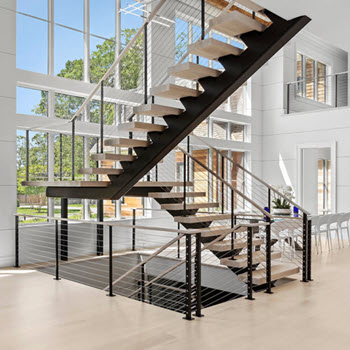
At Keuka Studios, we custom-fabricate residential and commercial stairs and railings to fit your style, space, and requirements. To learn more about how each railing project moves from vision to reality, take a look at our custom railing design process. We take pride in building premium craftsman-quality and commercial-grade cable railings for interior and exterior applications. Contact us to get your project started.