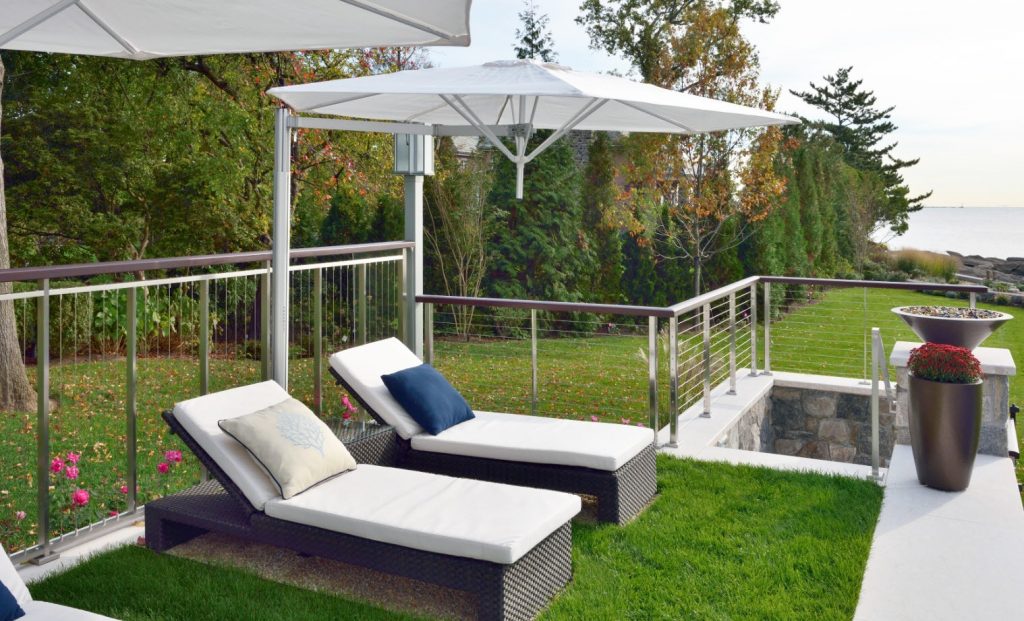
How to Choose the Best Pool Fence that Won’t Block Your View
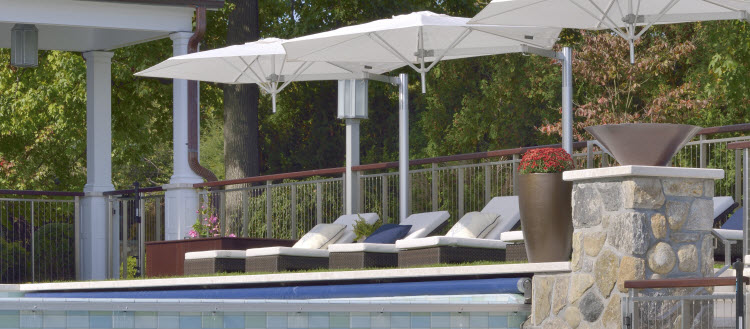
TL;DR: If you’re searching for fences that don’t block view, cable and glass pool fencing can preserve sightlines while creating an attractive barrier around your outdoor space. The best choice depends on your architecture, environment, maintenance preferences, and applicable pool safety requirements.
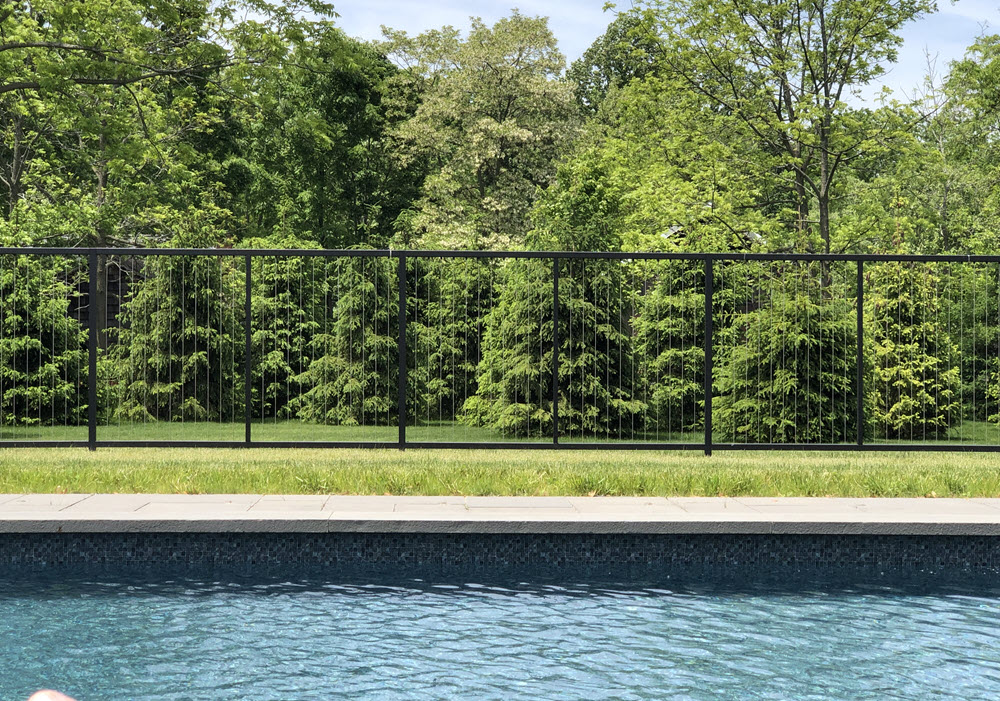
- Vertical cable railing uses slender infill to maintain views while providing a clean, architectural appearance.
- A glass pool fence offers exceptional transparency but creates a different aesthetic and maintenance experience than cable.
- Stainless steel, aluminum, and properly protected steel can be considered for demanding pool environments.
- Pool barrier and gate requirements vary by jurisdiction and should be verified before finalizing the design.
- Custom fabrication allows the railing to complement the home’s architecture, landscaping, and surrounding views.
A pool can be the centerpiece of an outdoor living space, but the surrounding fence shouldn’t have to become the centerpiece of the view. For properties overlooking the ocean, mountains, a lake, or thoughtfully designed landscaping, traditional solid fencing and bulky pickets can interrupt the scenery that makes the space special.
Fortunately, there are fences that don’t block view while still creating the necessary barrier around a pool. Vertical cable railings and glass pool fence systems are two attractive options for maintaining sightlines and complementing modern architecture.
Choosing between them comes down to more than appearance. Safety requirements, materials, maintenance, surrounding architecture, and the property’s environment should all influence the final design.
What Type of Pool Fence Won’t Block My View?
For homeowners who want the fence to visually recede into the landscape, cable railing is an excellent place to start. Thin stainless steel cables occupy considerably less visual space than traditional wood or metal pickets, helping preserve the connection between the pool and its surroundings.
Vertical cable railing is particularly well suited to pool environments. Depending on applicable local requirements, vertical infill can provide an alternative to horizontal components where climbability is a concern. Horizontal cable railing may also be appropriate in certain installations, including when the railing begins above an elevated surface, but the design should always be reviewed against the codes governing the specific project.
From a distance, slender cables tend to fade into the background. That makes cable one of the best looking pool fence options for properties where the landscape deserves to remain the focal point.
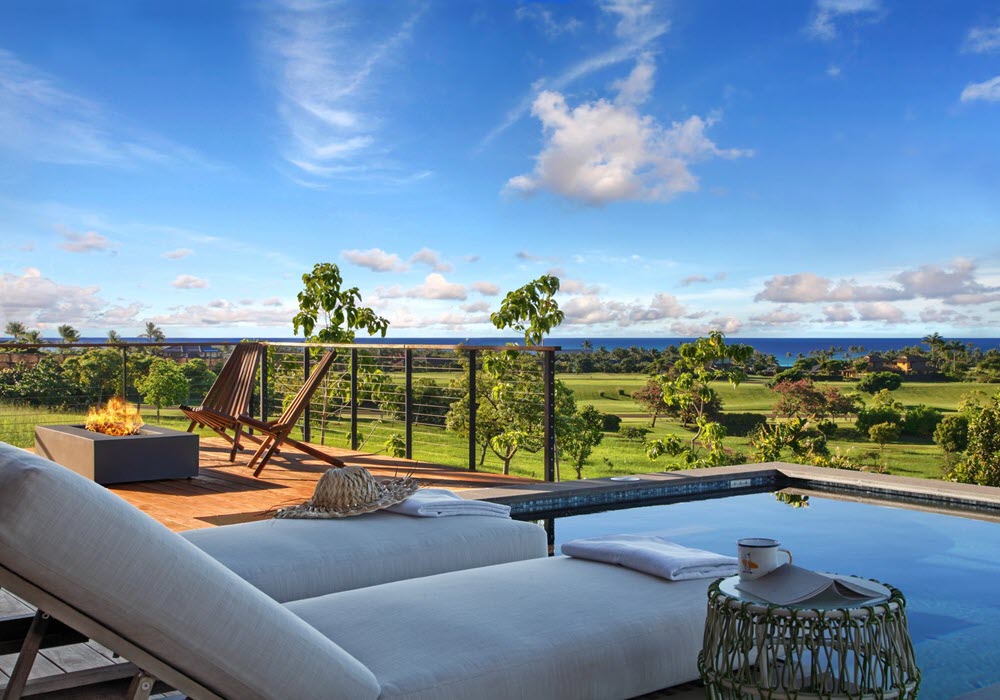
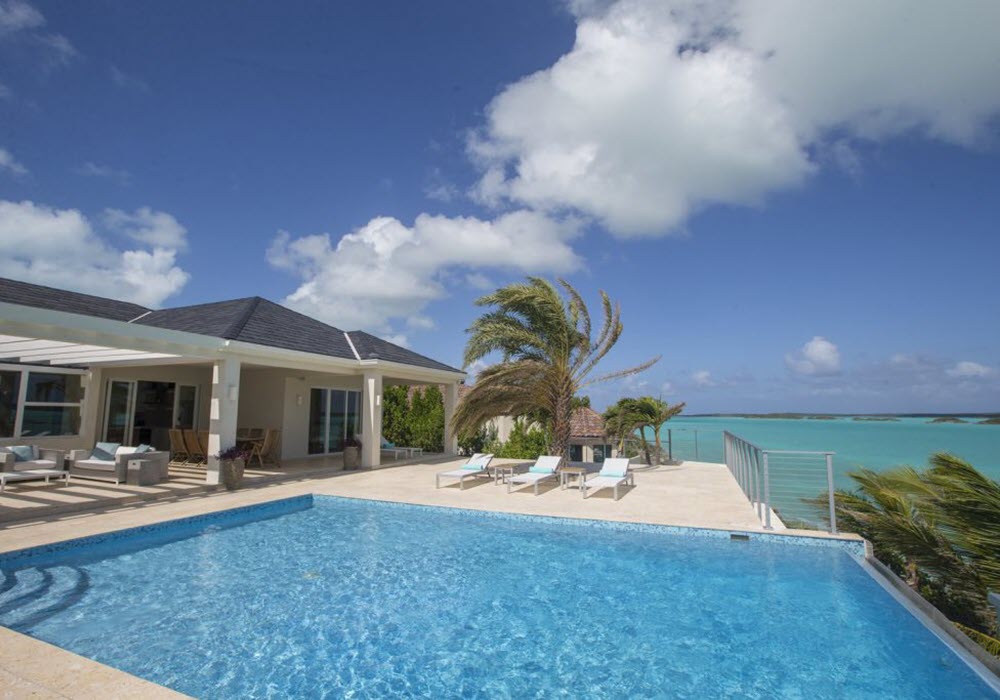
A see through pool fence can be especially effective around an infinity pool, waterfront home, mountain property, or backyard designed around gardens and other landscape features.
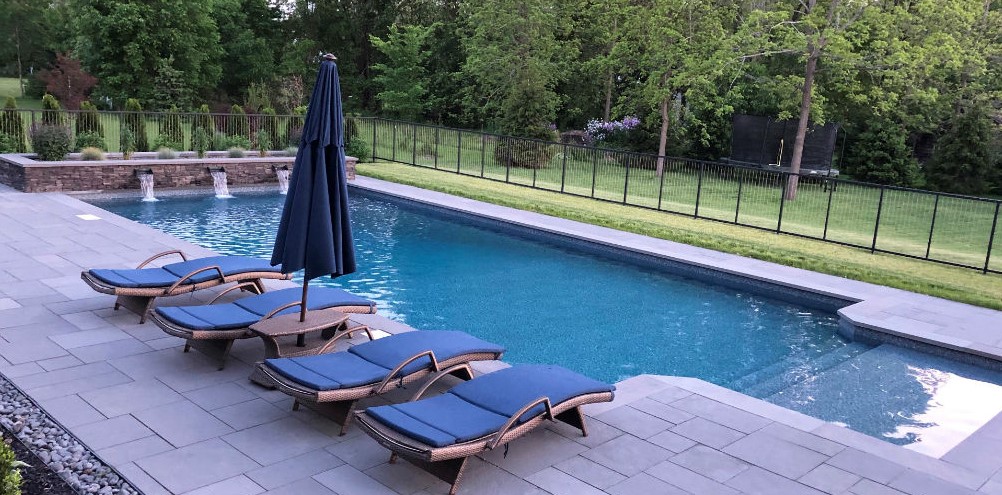
Cable Railing vs. a Glass Pool Fence
A glass pool fence provides another way to create a transparent barrier. Large glass panels offer exceptionally clear sightlines and can complement contemporary architecture beautifully.
However, cable and glass create noticeably different aesthetics.
Glass provides broad, uninterrupted transparent surfaces, making it a natural fit for minimalist designs. Cable railing introduces subtle linear detail and can complement contemporary, industrial, coastal, and transitional architecture. It also avoids the large glass surfaces that may show water spots, fingerprints, and environmental debris.
When comparing the two, consider how you want the railing to interact with the architecture. A nearly invisible glass barrier may be appropriate for one home, while slender cable infill and custom metal posts may better complement another.
The best solution isn’t simply the least visible fence. It’s the one that preserves the view while feeling intentionally integrated with the home and landscape.
What Pool Fence Requirements Should You Consider?
Pool barriers are intended to prevent unintended access, particularly by young children, so safety should guide the design from the beginning.
Requirements vary depending on local building codes and the specific project. Common considerations can include:
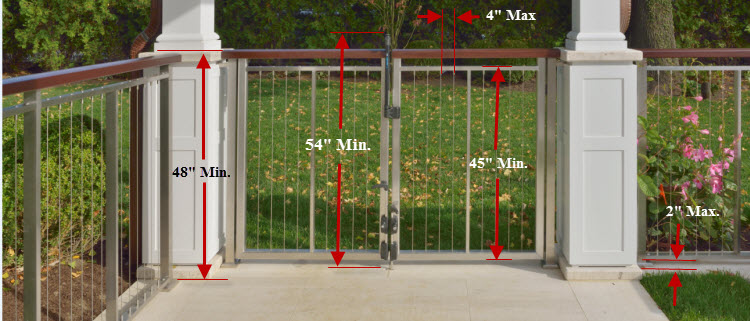
- Minimum pool barrier height, often 48 inches
- Self-closing, self-latching gates that open away from the pool
- Gate latch location and accessibility
- Openings and infill designed to limit unintended access
The original project guidance discussed a 48-inch-high fence and gate latch positioned at 54 inches. Because requirements can vary by jurisdiction and application, homeowners, architects, and builders should verify the current requirements with the local authority having jurisdiction before finalizing a design.
Addressing these requirements during the design phase makes it easier to create a railing that provides the necessary protection without compromising the architectural intent.
What Is the Best Fence Material for Pools?
When considering how to choose fencing for pool landscaping, the environment matters just as much as the appearance.
Pools expose surrounding materials to moisture and potentially corrosive chemicals. Coastal properties add another challenge because airborne salt can accelerate corrosion.
Stainless steel, aluminum, and properly protected steel can all be considered for pool environments. Stainless steel offers excellent corrosion resistance, while aluminum is lightweight and naturally resistant to rust. Steel provides greater strength, which can allow designers to create more slender structural frames, but the appropriate protective finish becomes especially important.
Cable railing systems commonly use high-quality stainless steel cables and fittings. At Keuka Studios, the specific materials, finishes, post profiles, and mounting details can be selected around the architectural and environmental demands of each project.
Are Vertical Cable Railings More Expensive?
Vertical cable railing can cost more than comparable horizontal cable systems because of the number of individual cable assemblies and fittings required.
Each short vertical cable requires connections that maintain the proper tension. These fittings are typically manufactured from high-grade stainless steel, and the greater quantity adds material and fabrication costs. The surrounding frame must also be sufficiently rigid to withstand the combined tension generated by the cables.
For homeowners prioritizing an open view around a pool, however, the additional fabrication can serve an important design purpose. Instead of installing a visually dominant barrier, a custom vertical cable railing provides the required separation while allowing the landscape beyond it to remain prominent.
How to Choose Fencing for Pool Landscaping
The best pool fence should respond to both the property and the view. Before selecting a railing system, consider three questions:
- What do you want to see through the fence?
- Which materials and finishes complement the home’s architecture?
- What environmental and local code requirements will affect the design?
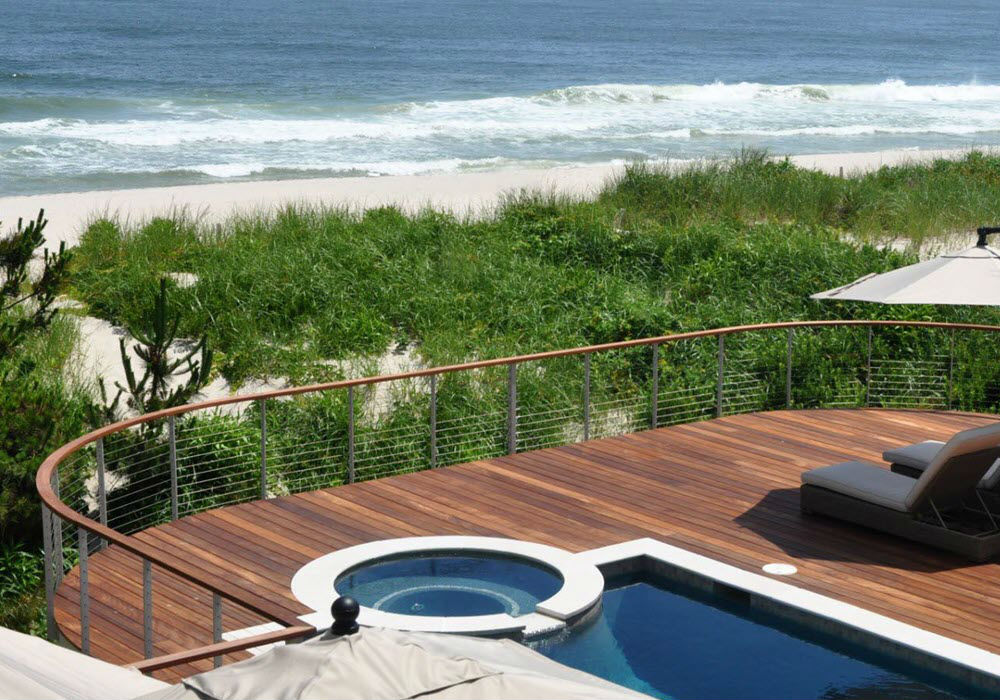
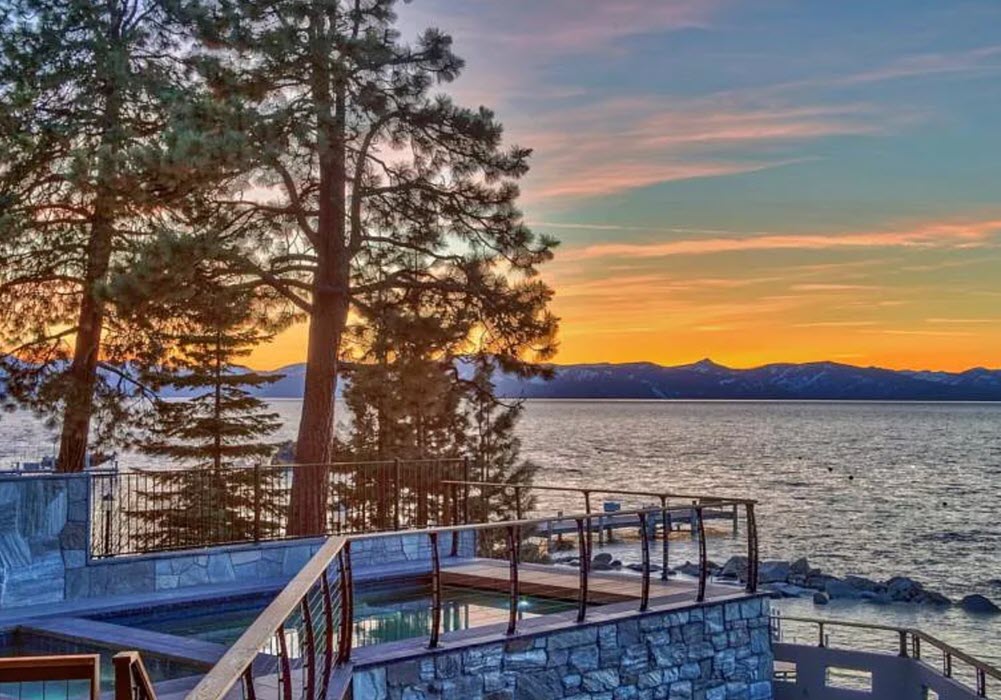
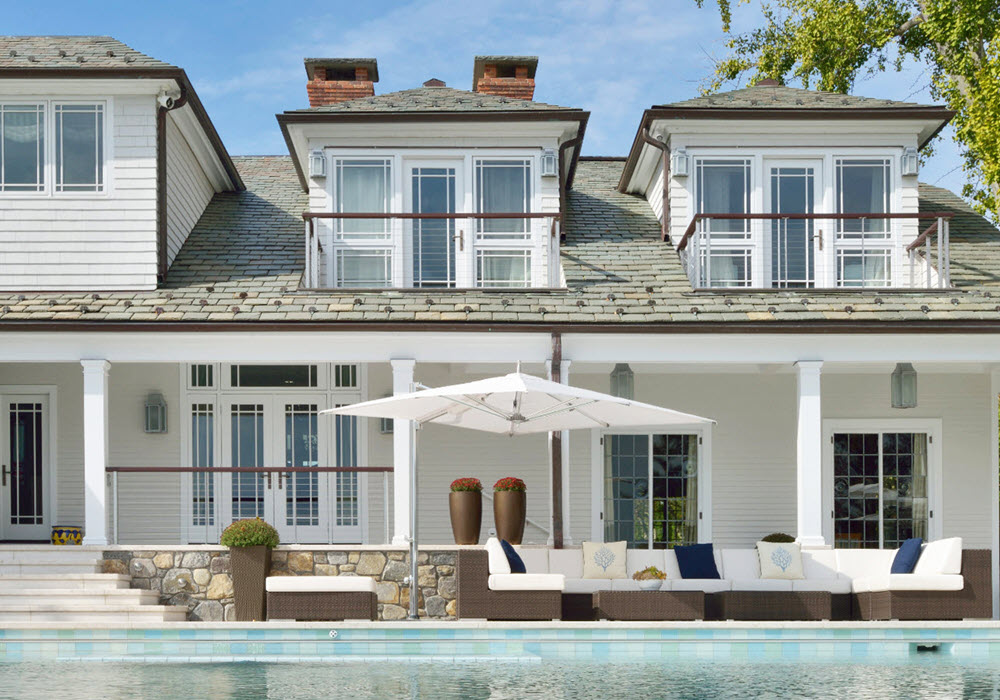
For a coastal home, the goal might be preserving an uninterrupted ocean horizon while selecting materials suited to salt exposure. Around a mountain retreat, slender dark posts and cables can recede against the surrounding landscape. For a contemporary backyard, the clean geometry of a custom cable railing can become a subtle extension of the home’s architectural lines.
Custom fabrication provides the flexibility to address these considerations together instead of adapting the landscape to an off-the-shelf fence.
Preserve the View with a Custom Cable Railing
When the scenery surrounding your pool is part of what makes the property special, the railing should protect the space without competing with it. Vertical and horizontal cable systems can create fences that don’t block view while introducing clean lines that complement the surrounding architecture.
Keuka Studios custom designs and fabricates cable railing systems for residential and commercial projects, allowing the post style, materials, finishes, mounting details, and overall configuration to respond to the individual space.
Explore our cable railing styles and learn more about our custom cable railing fabrication to find a solution designed around your architecture, landscape, and view.